

Mental Health Resources in Iowa City: A Guide to Finding Support
Finding the right mental health support can feel overwhelming. Whether you're looking for help for yourself, supporting a family member, or trying to connect someone with services, knowing where to start can make the process easier.
Iowa City and Johnson County have a variety of mental health and behavioral health resources available, from crisis services and outpatient care to community-based support, peer services, and housing assistance.
Mental health recovery doesn't happen in isolation. Challenges with housing, food, transportation, finances, physical health, or social connection can all affect a person's ability to maintain stability and work toward their goals.
If You're Experiencing a Mental Health Crisis
If you or someone you know is experiencing an immediate mental health crisis, there are resources available 24 hours a day.
988 Suicide & Crisis Lifeline
The 988 Suicide & Crisis Lifeline connects callers with trained crisis counselors who can help address immediate needs and de-escalate crisis situations. Support is available by calling or texting 988, with additional specialized options available for veterans, Spanish speakers, and LGBTQ+ youth.
If you or someone else is in immediate danger or experiencing a medical emergency, call 911 or go to the nearest emergency department.
GuideLink Center
GuideLink Center is an Iowa City resource for adults experiencing an urgent mental health or substance use crisis. The center provides 24/7 assessment, triage, stabilization, and connections to ongoing resources. GuideLink also offers crisis stabilization services for individuals who may need additional support before returning to the community.
Phone: 319-688-8000
Location: 300 Southgate Ave., Iowa City
CommUnity Crisis Services and Food Bank
CommUnity Crisis Services and Food Bank provides crisis services along with food insecurity and financial support.
Phone: 319-351-0140
Location: 1121 S. Gilbert Ct., Iowa City
Outpatient Therapy and Counseling
For many people, outpatient therapy is an important part of managing mental health and working toward personal goals.
Therapists and counselors can provide support for a variety of concerns, including:
Depression and anxiety
Stress and life changes
Trauma
Grief and loss
Relationship concerns
Coping skills
Other mental health challenges
Abbe Center for Community Mental Health
Abbe Center for Community Mental Health provides counseling, crisis services, habilitation, and other community-based services.
Phone: 319-338-7884
Location: 1039 Arthur St., Iowa City
The University of Iowa and other private and community-based providers also offer outpatient mental health services in the Iowa City area.
Psychiatric Services and Medication Management
Some individuals benefit from psychiatric care in addition to counseling or therapy.
Psychiatric services may include evaluation, diagnosis, medication management, and coordination with other healthcare providers. University of Iowa Health Care provides psychiatric and behavioral health services in Iowa City, along with other providers throughout the community.
Community-Based Mental Health Support
Not everyone needs the same kind of mental health support.
For some adults living with chronic mental illness, attending an occasional therapy appointment isn't enough to address the challenges they face in everyday life. They may need ongoing support with things like maintaining a home, developing routines, managing symptoms, accessing community resources, building social connections, or working toward personal goals.
Community-based mental health services are designed to meet people where they are and provide practical support in their homes and communities.
Other local organizations can also help people connect with community resources. NAMI Johnson County, for example, offers mental health resources, education, and support.
Successful Living
Successful Living provides person-centered support services for adults living with chronic mental illness in Eastern Iowa.
Our programs are designed to help individuals build independence, develop skills, strengthen community connections, and work toward their own recovery goals.
Housing
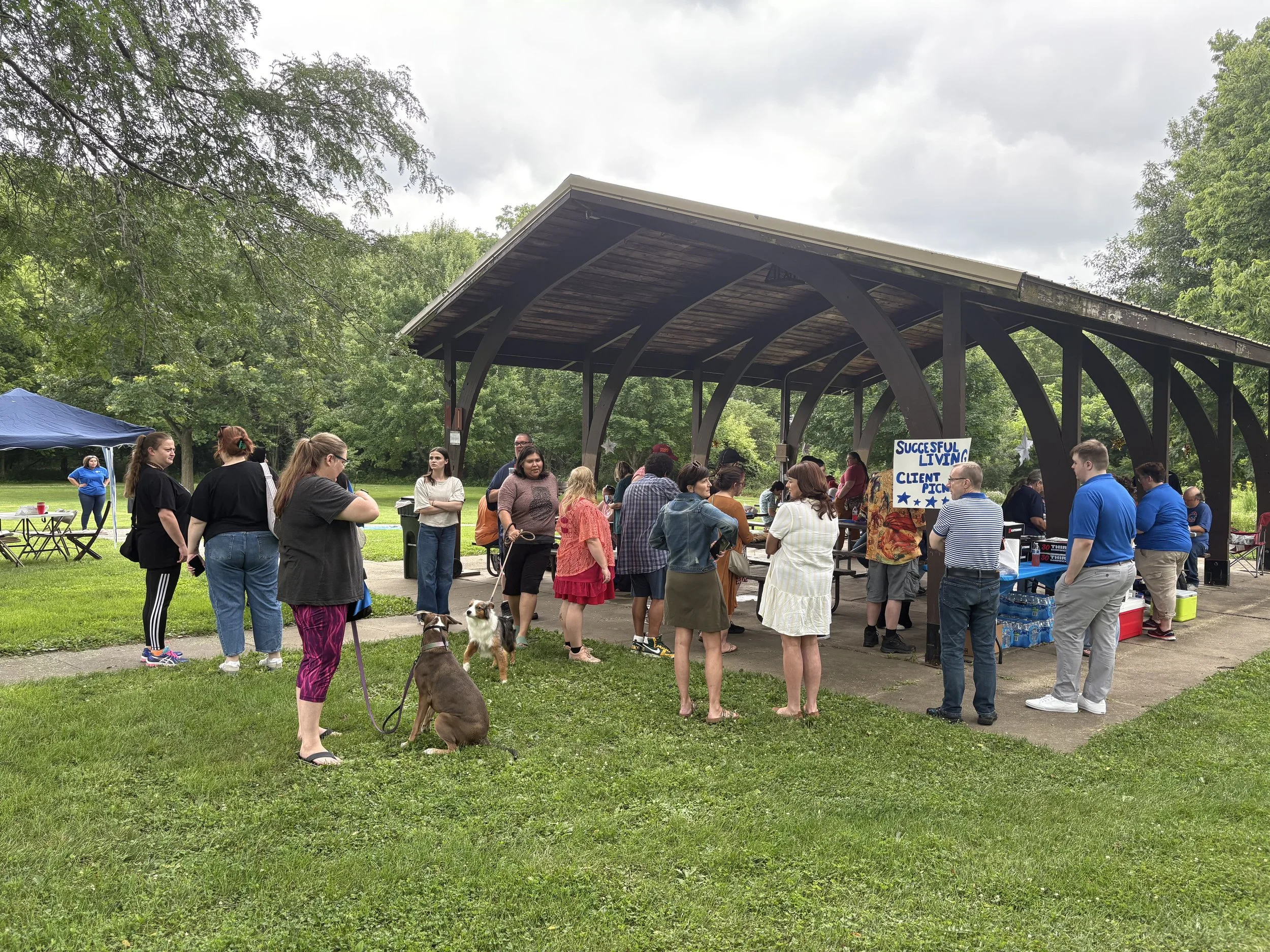
Stable housing can be an important part of maintaining mental health and independence.
Successful Living's Housing Program provides safe, affordable housing for adults with chronic mental illness who need additional support while working toward independence in the community. Depending on the program, individuals may also receive assistance with daily living, medication management, routines, and other skills.
Day Habilitation
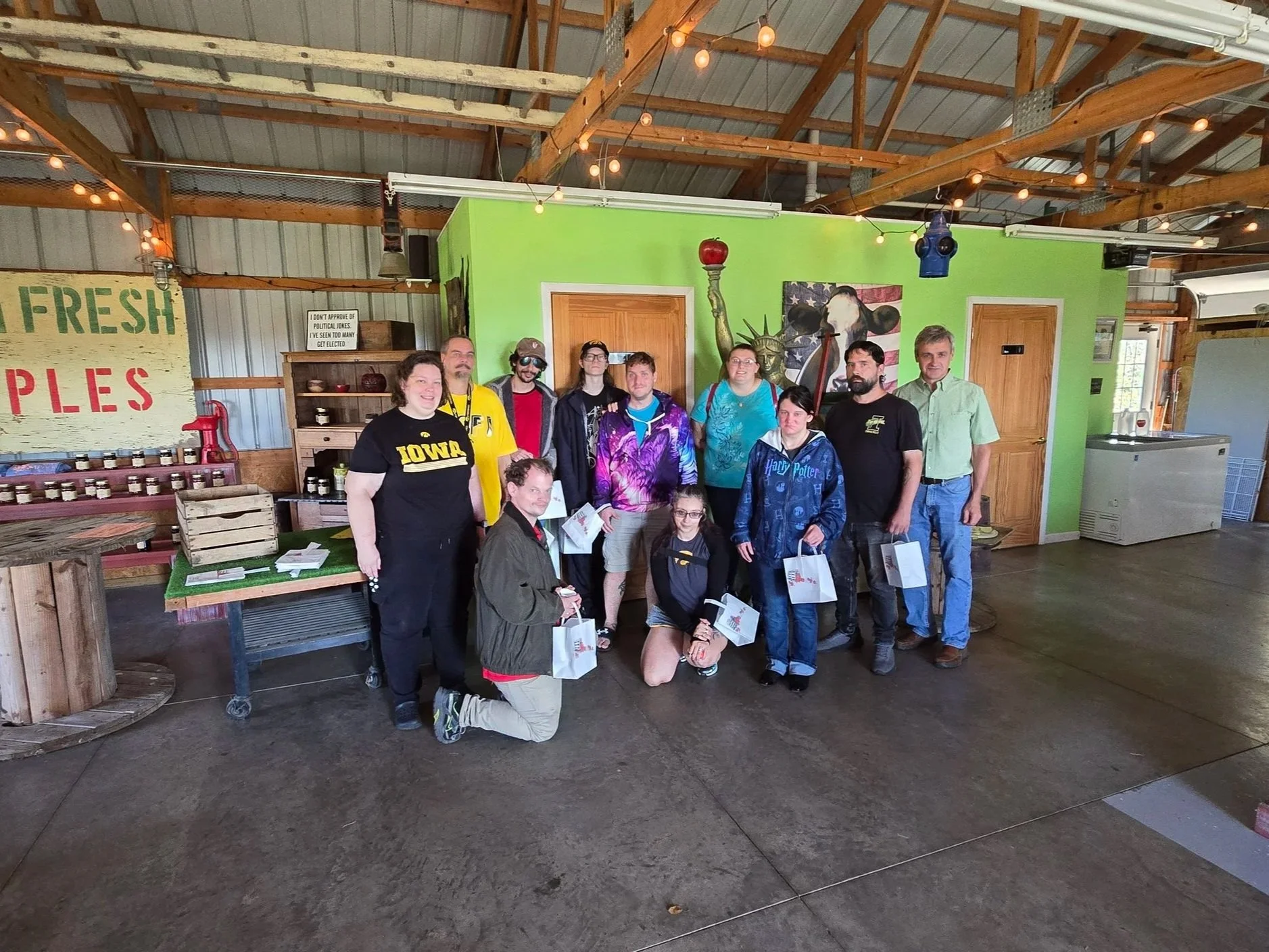
Some adults benefit from having additional structure and opportunities for social connection during the week.
Successful Living's Day Habilitation program includes opportunities for activities, skill development, socialization, wellness, and community involvement.
IPR
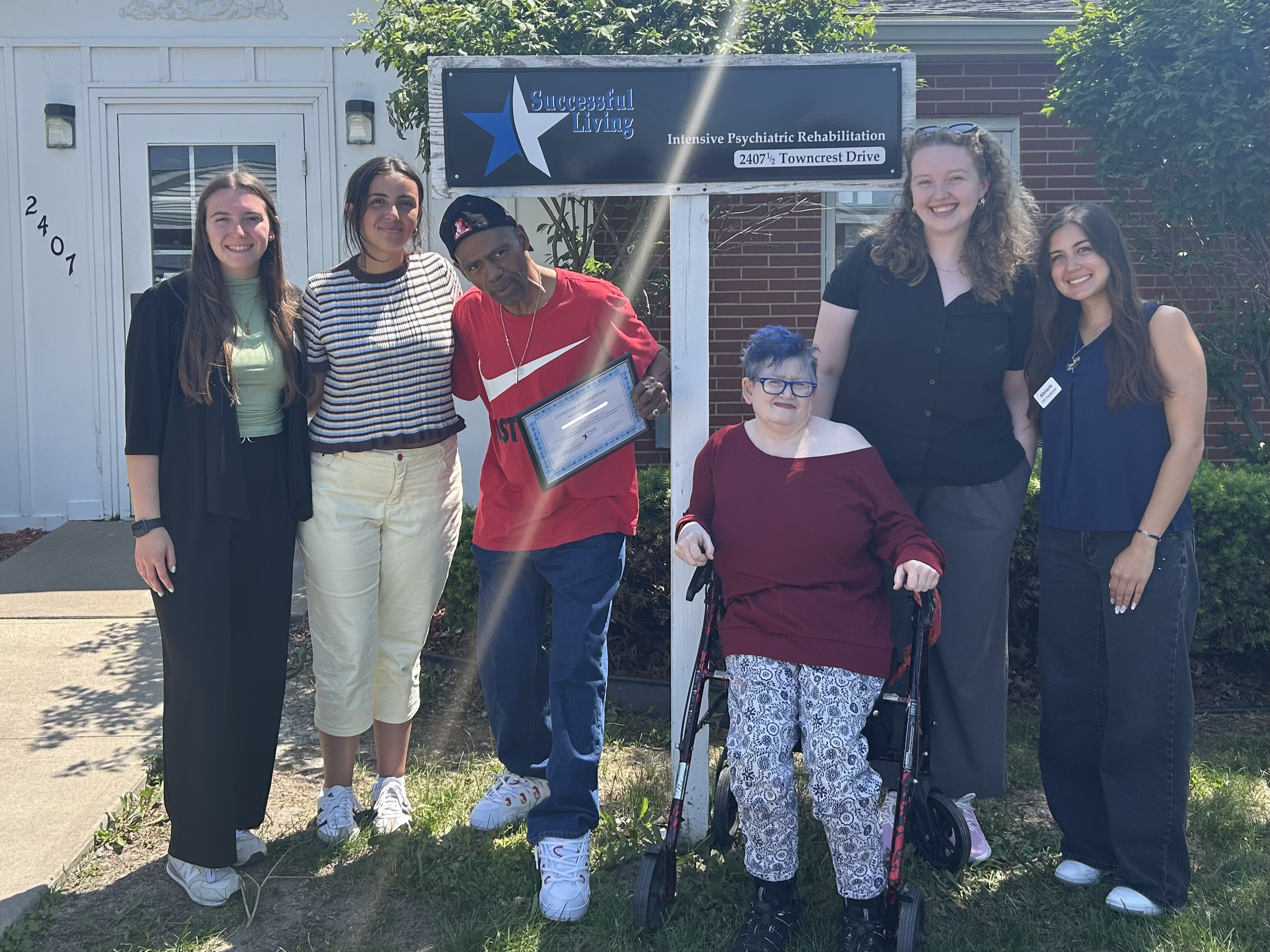
For individuals who have goals related to employment, education, independent living, or social connection, psychiatric rehabilitation may be another option.
The Intensive Psychiatric Rehabilitation (IPR) Program helps individuals work toward personally meaningful goals while developing coping skills and recovery strategies.
Peer Support
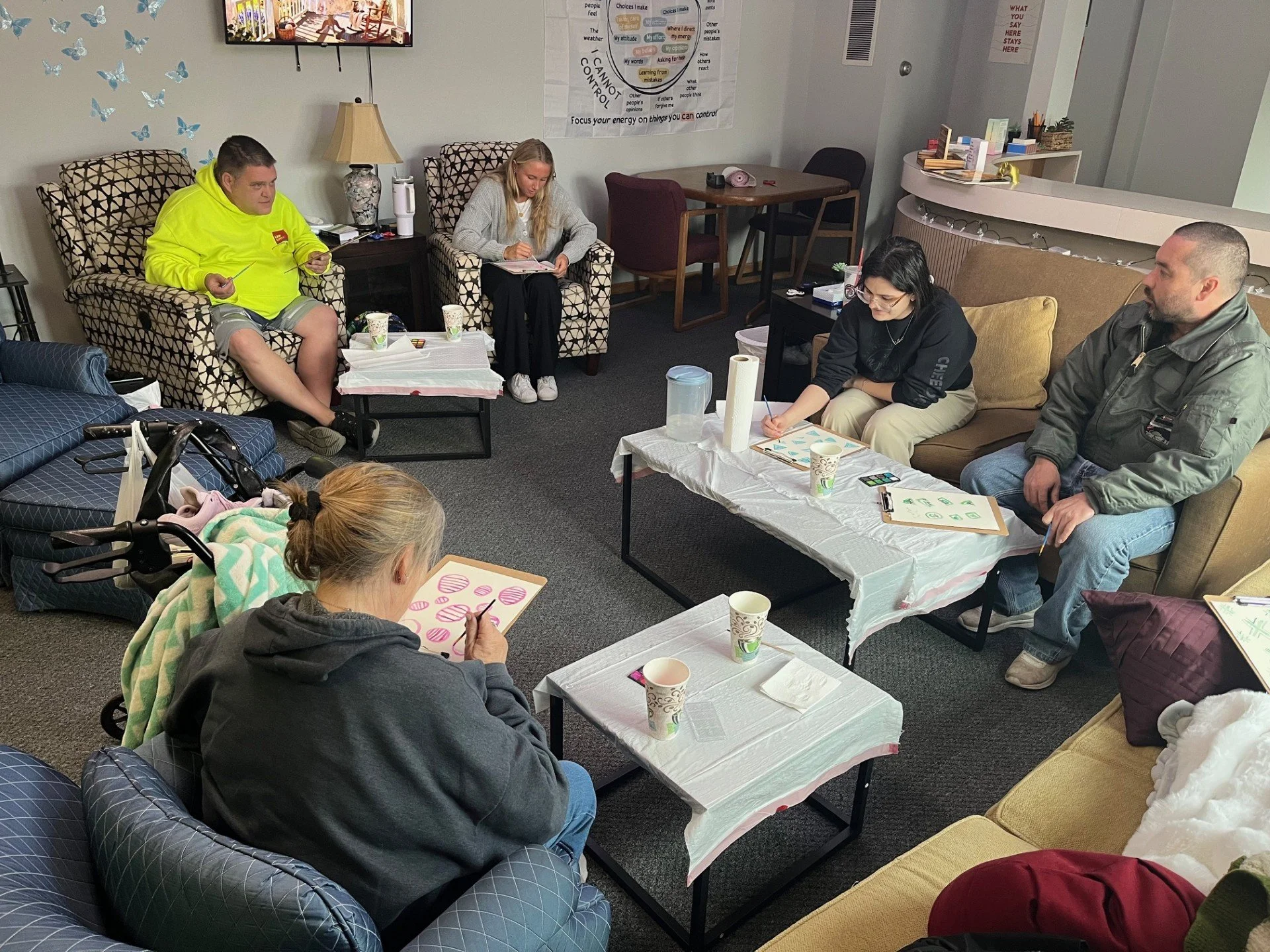
Peer support provides an opportunity to connect with someone who has personal experience with mental health challenges and recovery.
Successful Living's Peer Support Program uses lived experience to support connection, recovery, confidence, and personal growth.
Outreach
For some adults living with chronic mental illness, traditional appointments alone may not provide enough support.
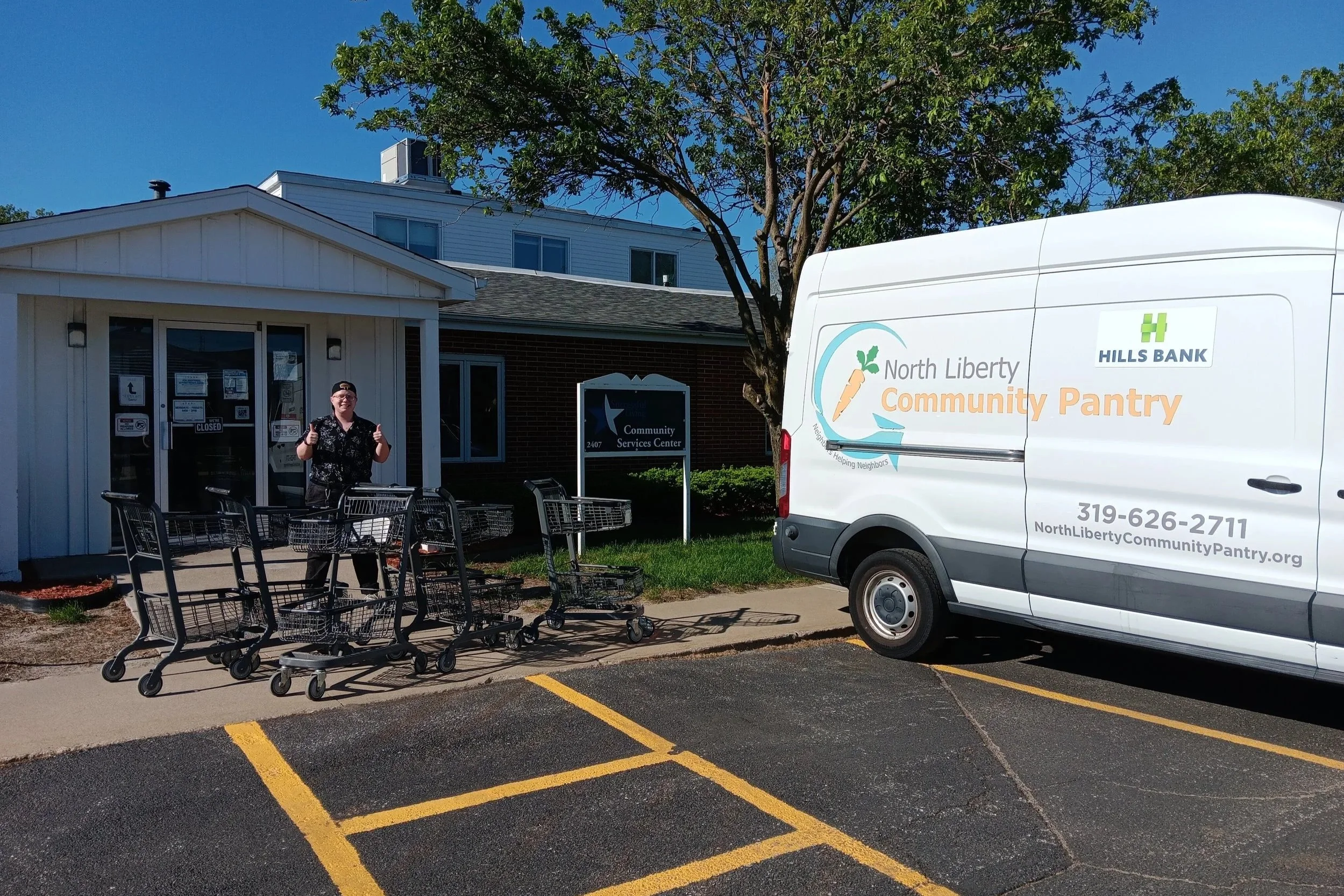
Successful Living's Outreach staff provide individualized, community-based support with areas such as daily living, routines, accessing resources, social connections, symptom management, and personal goals.
Mental Health Is Connected to Everyday Needs
Mental health support isn't always limited to counseling, medication, or other behavioral health services. Sometimes the most immediate challenge is finding enough food, maintaining stable housing, getting to an appointment, accessing medical care, or paying essential expenses.
Iowa City and Johnson County have community organizations that can help with these needs.
Food and basic needs: CommUnity Crisis Services and Food Bank and other local food pantries like the Successful Living Food Pantry can help people experiencing food insecurity.
Housing: Shelter House provides housing and supportive services for people experiencing homelessness, while the Iowa City Housing Authority provides rental assistance, vouchers, and affordable housing services.
Health care: The Free Medical Clinic provides general medical care, chronic medical care, dental services, eye care, and prescription medications. Johnson County Public Health is another resource for services including immunizations, dental services, screenings, and assistance finding insurance.
Financial assistance: Local organizations including the Salvation Army can help individuals and families connect with services and referrals when financial challenges affect their ability to meet basic needs.
Transportation: Iowa City Transit, Coralville Transit, CAMBUS, and SEATS of Johnson County provide transportation options in the area, including specialized transportation for qualifying individuals with disabilities.
How Do I Know What Kind of Mental Health Support I Need?
I need immediate help with a mental health crisis.
Consider 988, GuideLink Center, or CommUnity Crisis Services.
I want to talk with a therapist or counselor.
Outpatient counseling through a community mental health center, healthcare system, or private provider may be a good place to start.
I need psychiatric care or medication management.
Consider a psychiatric provider or behavioral health clinic.
I need help living independently.
Community-based services such as Outreach (Supported Community Living) may be appropriate.
I need stable housing with additional support.
Supportive housing may be an option. If homelessness or immediate housing instability is the concern, a community housing resource such as Shelter House may be a better starting point.
I want more structure, activities, and opportunities to connect with others.
Day Habilitation may be a good fit.
I want support from someone with lived experience.
Peer Support may be right for you.
I have goals related to employment, education, independent living, or social connection.
Psychiatric rehabilitation may be worth exploring.
I'm struggling with food, transportation, medical care, finances, or another basic need
A community resource organization may be the best place to start. Addressing these needs can be an important part of supporting overall stability and recovery.
You don't have to know exactly which program or organization you need before reaching out. Starting with the resource that most closely matches your immediate concern can help you identify the next step.
Looking for Mental Health Support in Iowa City?
If you are an adult living with chronic mental illness and are looking for support with independence, recovery, housing, community involvement, daily living, or personal goals, Successful Living may be able to help.
Our team provides person-centered support through a variety of programs designed to meet individuals where they are and help them work toward their goals.
Additional Iowa City Mental Health Resources
The resources below can be helpful starting points for finding additional support:
988 Suicide & Crisis Lifeline →
Free, confidential crisis support available 24 hours a day by phone, text, and online chat.
GuideLink Center →
24/7 urgent mental health and substance use crisis services for adults in Iowa City.
Abbe Center for Community Mental Health→
Counseling, crisis, habilitation, and other mental health services.
CommUnity Crisis Services and Food Bank→
Crisis services and assistance with food insecurity and financial needs.
Mental health information, resources, education, and support.
Iowa HHS →
Statewide information and resources related to health and behavioral health services.
If you aren't sure where to begin, reaching out to a healthcare provider, case manager, or behavioral health professional can also be a good first step.
More Information
For more information or for help joining our programs, please feel free to reach out to us. For a more comprehensive list of community resources—including individual food pantries, legal organizations, libraries, transportation providers, survivor support services, and national organizations—please see our complete Successful Living Community Resource Guide below.
