Intensive Psychiatric Rehabilitation
The IPR Program
At Successful Living, our Intensive Psychiatric Rehabilitation (IPR) program helps individuals build meaningful lives through personalized support, skill development, and recovery-focused services. IPR is an in-person rehabilitation program designed to help people identify goals, build confidence, and take practical steps toward greater independence and fulfillment.
IPR is built on the belief that recovery is possible, and people deserve support in creating lives that feel fulfilling and meaningful to them. Recovery is not a straight line, and no one should have to travel it alone. We often describe IPR like a road trip: You are in the driver’s seat. Our team is in the passenger seat helping you navigate, problem-solve, and move toward the destination you choose.
A Goal-Focused Approach to Recovery
IPR uses the internationally recognized Boston Psychiatric Rehabilitation (BPR) model, often referred to as the “Choose-Get-Keep” approach. This model helps individuals identify meaningful goals and develop the skills and support needed to achieve and maintain them.
Participants can work toward goals in four primary environments:
-
Building the skills, confidence, and supports needed to live as independently and comfortably as possible in the community.
Example Goals/Focus Areas:
Finding or maintaining housing
Improving daily living routines
Budgeting and money management
Medication and wellness routines
Transportation and community navigation
-
Exploring educational opportunities, personal growth, and skill development that support future goals and lifelong learning.
Example Goals/Focus Areas:
Returning to school or GED programs
Exploring college or trade programs
Developing study and time-management skills
Building confidence in learning environments
Improving technology and computer skills
-
Developing the skills and supports needed to pursue meaningful employment, volunteering, or career exploration opportunities.
Example Goals/Focus Areas:
Exploring career interests
Creating resumes and applications
Practicing interview skills
Finding volunteer or paid employment
Improving workplace communication and confidence
Maintaining employment successfully
-
Strengthening relationships, community involvement, and social confidence to build meaningful connections and support systems.
Example Goals/Focus Areas:
Building friendships and social supports
Increasing community involvement
Improving communication skills
Participating in group activities=
Reducing social isolation
Developing healthy boundaries and relationships
The IPR Journey
The IPR process follows progressive phases that help participants move from exploration and readiness toward achieving and maintaining meaningful life goals.
-
This phase focuses on getting to know you, your strengths, and what matters most to you.
Participants may work on:
Identifying personal strengths and values
Exploring interests and motivations
Discussing hopes for the future
Understanding barriers and supports
Building trust and comfort within programming
→
-
As goals begin to take shape, participants build the skills, routines, and confidence needed to move forward.
This phase may include:
Developing coping and wellness strategies
Building communication and social skills
Increasing confidence and independence
Practicing routines and organization
Strengthening motivation and self-advocacy
→
-
Participants identify meaningful goals related to work, education, housing, or community involvement.
Examples may include:
Returning to school
Applying for jobs
Moving toward independent living
Building friendships and social connections
Exploring volunteer opportunities or hobbies
→
-
This is the action phase of IPR, where participants begin actively working toward their goals with support from practitioners and peers.
Supports may include:
Resume and interview preparation
School applications and educational planning
Community resource navigation
Skill practice and problem-solving
Time management and organization supports
Encouragement and accountability
→
-
Achieving a goal is important — maintaining success is just as valuable. This phase focuses on sustaining progress and continuing personal growth.
Participants may focus on:
Maintaining routines and stability
Managing setbacks and stressors
Building long-term support systems
Increasing independence
Continuing recovery and personal development
What Can Clients Expect?
IPR is designed to be welcoming, encouraging, and collaborative. Programming is individualized to meet each person where they are in their recovery journey.
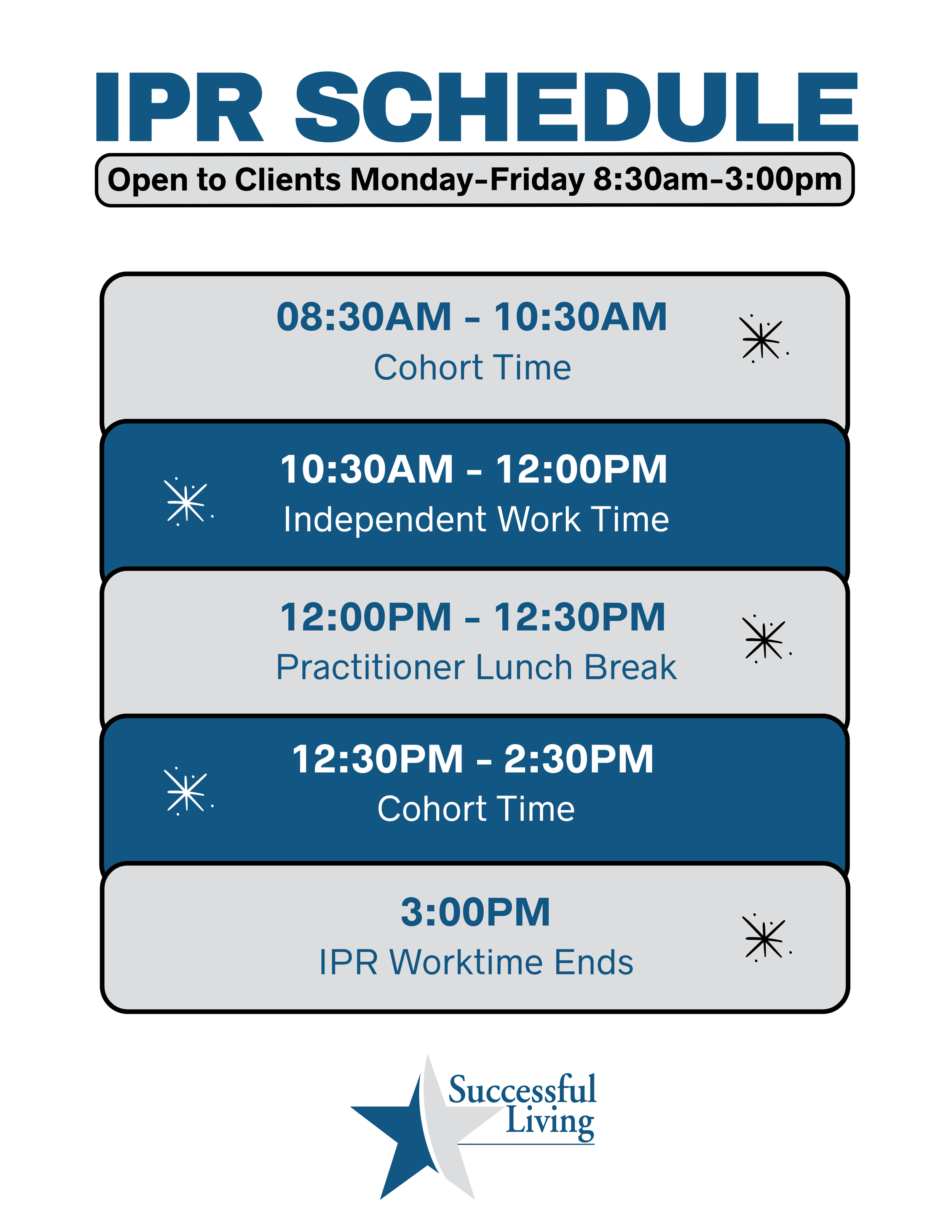
Participants commit to a minimum of 4 hours of programming per week, allowing for consistent support while still offering flexibility based on personal goals and schedules. Some days may focus on skill-building and planning, while others may involve independent work, community exploration, or collaborative group activities.
Program Features:
1-on-1 support with psychiatric rehabilitation practitioners
Interactive worksheets and phase-based activities
Small group and cohort work time
Opportunities for social connection and community building
Independent workspaces for personal goal work
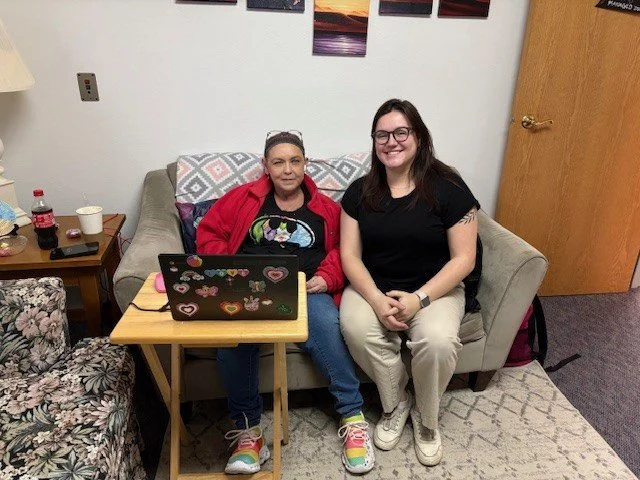
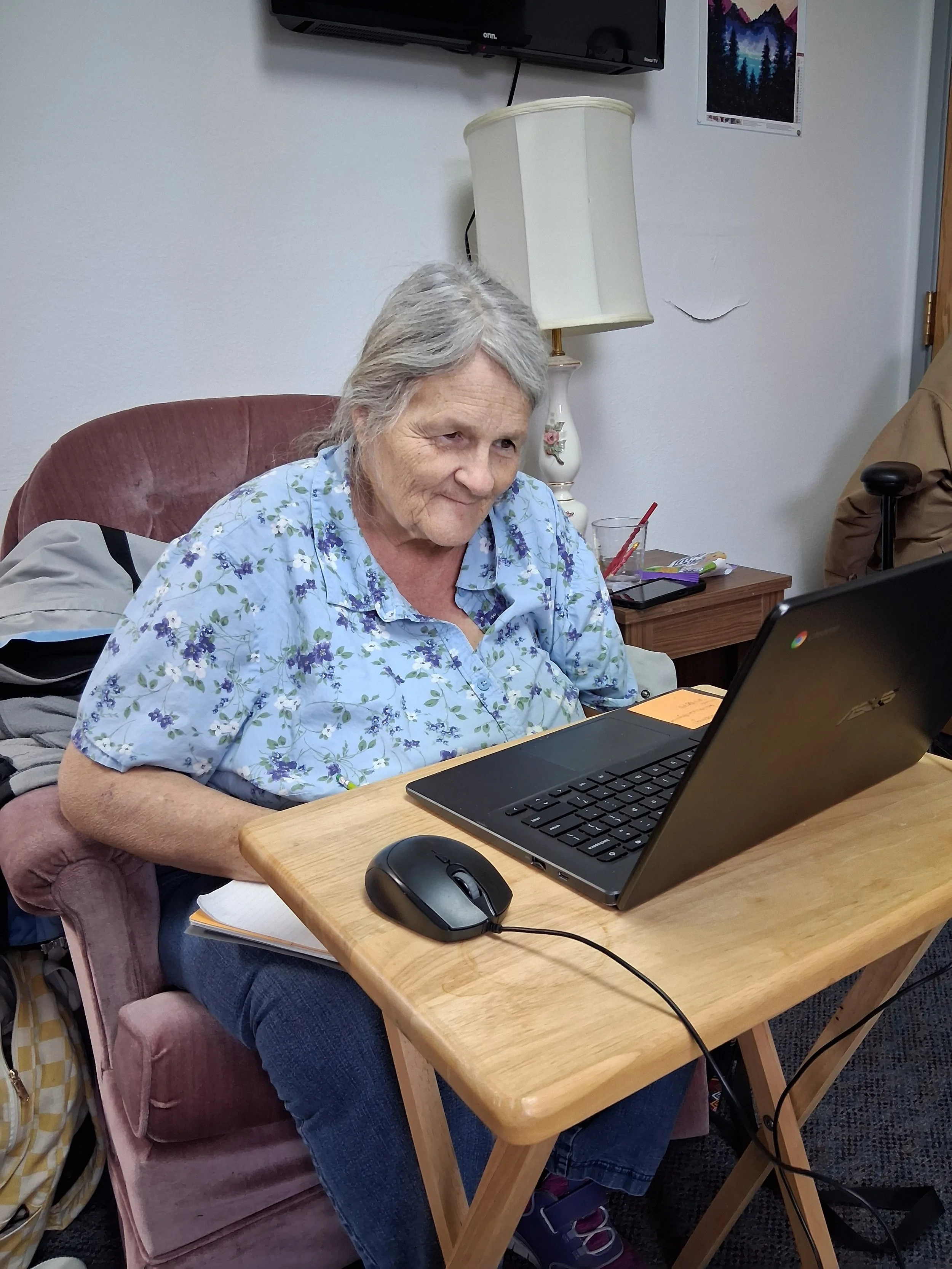
Access to on-site Chromebooks and technology support
Assistance navigating education, employment, housing, and community resources